

In Vastu Shastra, the kitchen is regarded as one of the most energetically sensitive spaces in a home. Governed by the fire element, it plays a decisive role in shaping the quality of energy that nourishes the household—quite literally. Even small misalignments in the kitchen’s direction, layout, or elemental balance are believed to have a ripple effect on physical health, emotional well-being, and the overall harmony of the home. When designed in alignment with Vastu principles, the kitchen becomes a powerful contributor to vitality, stability, and long-term wellness for the family. Here’s everything you need to know about designing a vastu-aligned kitchen.
Why Kitchen Vastu Matters More Than You Think
According to Vastu principles, food carries the energy of the space in which it is prepared. If a kitchen is placed in an unfavourable direction or designed without regard to elemental balance, it can create subtle but persistent stress within the household. Over time, this can weaken immunity, increase susceptibility to illnesses, and even disturb family harmony. A kitchen filled with stagnant or conflicting energy may lead to fatigue, irritability, or a general sense of discomfort at home.
This is why Vastu places such importance on the placement of the kitchen and the way its key elements are arranged.
The Right Direction Sets the Foundation
The Southeast direction, also known as the Agni corner, is considered the most auspicious location for a kitchen. It aligns naturally with the fire element, which governs cooking and transformation. When a kitchen is positioned here, energy flows more smoothly, supporting both physical health and emotional stability within the family.
If the Southeast isn’t available, the Northwest can be considered as a secondary option. However, kitchens placed in the Northeast require special attention. Since the Northeast is associated with water and spiritual energy, placing a kitchen here can disrupt balance. In such cases, planning windows on the north or east walls becomes essential to allow fresh air, natural light, and positive energy to flow in and counterbalance the placement.
Colour as a Source of Positive Energy
Colour plays a powerful role in influencing mood and energy, especially in kitchens where décor options are naturally limited. Bright and light colours are highly recommended in Vastu as they uplift the space and promote positivity. Shades of yellow, soft reds, light greens, and gentle pastels are believed to stimulate appetite, encourage warmth, and bring optimism into daily routines.
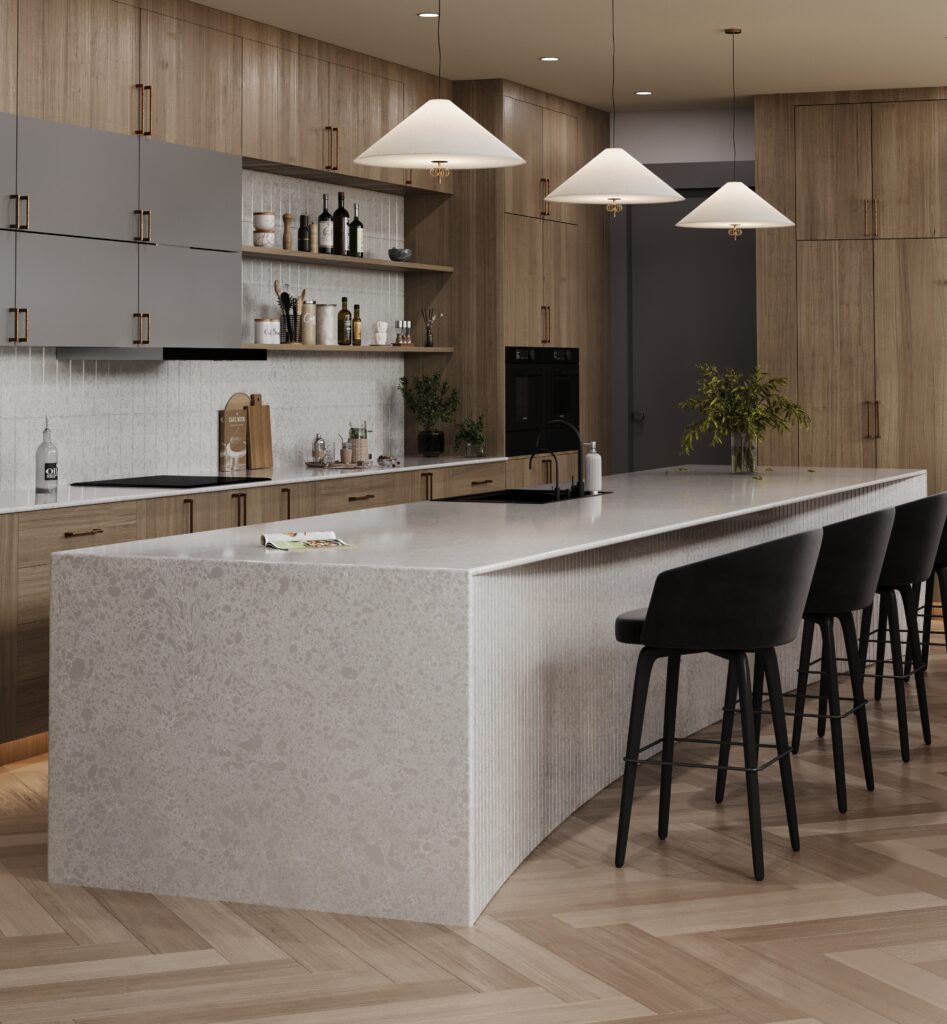
This is where surface choices become important. Countertops, backsplashes, and islands offer an opportunity to introduce colour in a refined, lasting way. Quartz surfaces from Specta, available in a wide range of soft pastels and warm tones, make it easier to create kitchens that feel vibrant, balanced, and aligned with Vastu principles.
Balancing Fire and Water Elements
One of the most critical aspects of kitchen Vastu is maintaining harmony between the fire and water elements. The cooking stove represents fire, while the sink and water purifier represent water. These should never be placed next to or directly opposite each other, as their conflicting energies can create tension and imbalance.
Doorways, Levels, and Energy Flow
Vastu also places strict guidelines on kitchen entrances. The kitchen door should never be placed in a corner, as this disrupts energy flow. The most suitable locations for the doorway are the East, North, or West walls, which allow smoother movement of positive energy into the space.
Equally important is what lies above and below the kitchen. Bedrooms, pooja rooms, or toilets should not be located directly above or below the kitchen, as this creates energetic conflict. Fire energy rising into a bedroom or sacred space can disturb rest and peace, while a toilet above the kitchen is believed to contaminate the energy of food preparation.
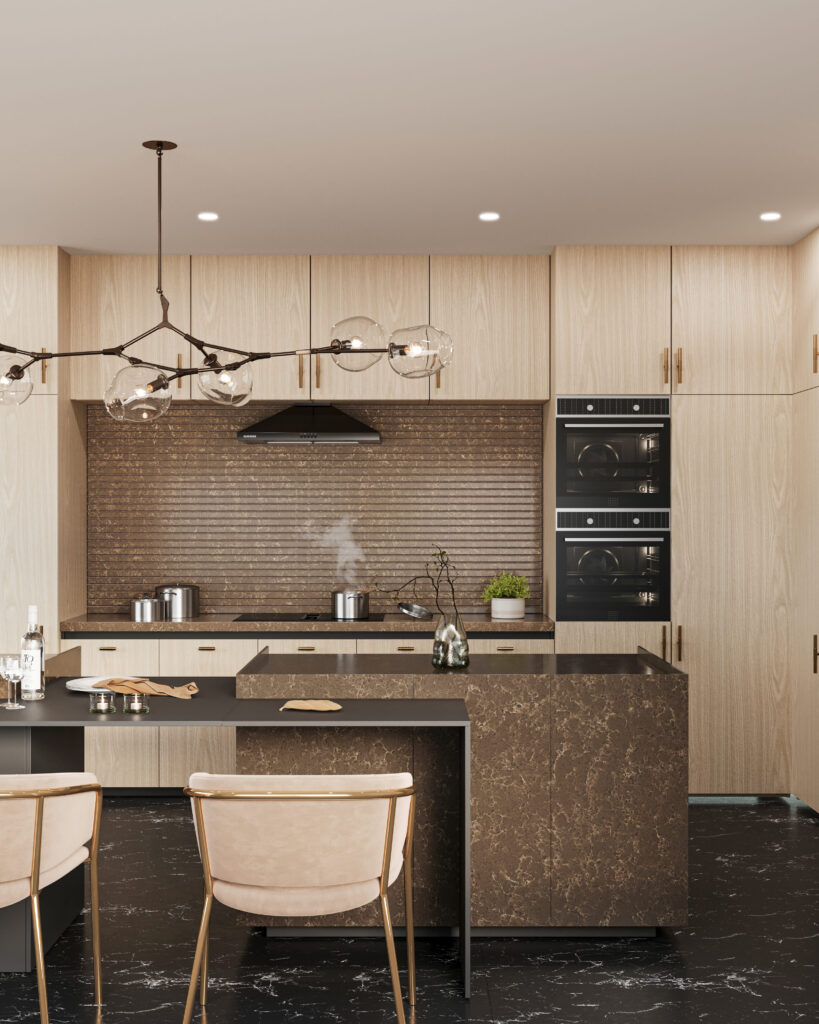
Durable, non-porous surfaces such as quartz also help maintain hygiene and ease of maintenance, supporting the idea of a clean and energetically sound cooking space. Specta’s quartz surfaces, for instance, are designed to resist stains, heat, and moisture—making them practical for everyday cooking while supporting a calm, orderly environment.
Designing for Wellness
When your kitchen supports positive energy, the food prepared there carries a sense of balance and nourishment. Alternatively, consuming food prepared in a space filled with negativity is believed to weaken the body’s core energy, lowering immunity and increasing vulnerability to illness.
By paying attention to direction, layout, colour, and materials, you can create a kitchen that supports both wellness and harmony. Thoughtfully chosen surfaces, natural light, and clear zoning make a tangible difference in how the space feels and functions.
At Specta, our focus is on creating surfaces that seamlessly blend design, durability, and wellbeing. When paired with Vastu-conscious planning, these choices help shape kitchens that not only look good but also contribute positively to everyday living – making the heart of your home a place of health, warmth, and togetherness.

