
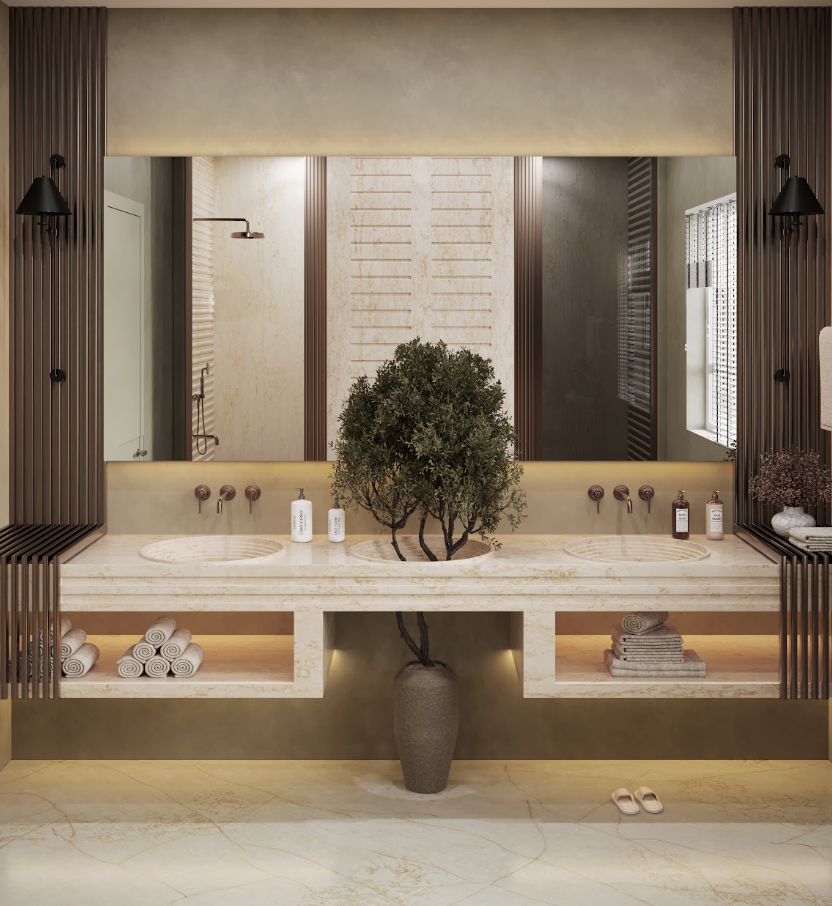
There is something instantly calming about being surrounded by nature. The earthy tones of stone, the warmth of wood, the freshness of green foliage and the soft play of natural light can make a space feel more inviting. The good news is that you don’t need a sprawling garden or a home in the hills to bring this feeling indoors. With a few thoughtful design choices, you can create interiors that take inspiration from the colours, textures and materials found in nature.
Here are some simple ways to get started.
1. Start with an Earthy Colour Palette
Nature offers an endless source of colour inspiration, from sandy beiges and warm browns to mossy greens, terracotta reds and soft blues. These shades can help create a space that feels grounded and balanced without being visually overwhelming.
Consider using neutral tones as a base for your interiors and introducing deeper colours through accent walls, upholstery, cushions or decorative elements. Olive green can add depth to a living room, while muted terracotta brings warmth to a dining space. Soft blues and sandy hues work particularly well in bedrooms, creating a relaxed atmosphere.
Look at a landscape you love and take inspiration from the way its colours naturally come together.
2. Let Natural Materials Take Centre Stage
One of the easiest ways to introduce nature into your home is through materials that reflect its character. Wood, stone, marble and quartz can add visual depth while bringing a sense of understated elegance to interiors.
Wooden furniture and flooring introduce warmth, while stone surfaces lend a more grounded, organic quality. In kitchens and bathrooms, quartz surfaces offer an opportunity to explore natural-inspired colours and patterns while enjoying the practical benefits of an engineered material.
For instance, Specta Quartz Surfaces can complement a range of interior styles, from minimalist spaces with subtle, understated veining to statement-making designs with more pronounced patterns. Pair these surfaces with wooden cabinetry, warm lighting or earthy accessories to create a cohesive look.
3. Play with Textures for Added Depth
Nature isn’t just about colour; it’s also about texture. Think of the roughness of tree bark, the smoothness of river stones or the softness of moss. Bringing different textures together can make interiors feel more layered and interesting.
You can recreate this effect by combining linen curtains, woven rugs, wooden furniture, textured upholstery and stone surfaces. A smooth quartz countertop paired with natural wood cabinetry, for example, creates an appealing contrast without making the space feel busy.
4. Bring in Plenty of Greenery
Plants are perhaps the most direct way to bring the outdoors inside. Beyond adding a pop of green, they introduce organic shapes and make a room feel more connected to the natural world.
If you have access to natural light, consider placing potted plants near windows, adding a tall indoor plant to an empty corner or creating a small collection of plants on open shelves. Hanging plants can also work well in compact spaces where floor area is limited.
Choose plants according to the light, humidity and maintenance requirements of your home. If you’re short on time, low-maintenance varieties are a practical starting point.
5. Make the Most of Natural Light
Natural light can bring out the subtle colours and textures of your interiors in ways artificial lighting often cannot. It highlights the grain of wood, brings out variations in stone patterns and makes earthy colours appear warmer and more inviting.
Where possible, keep windows unobstructed and use lightweight curtains that allow daylight to filter through. Mirrors placed strategically can help reflect light into darker areas, making rooms feel brighter and more open.
6. Choose Decor Inspired by the Outdoors
You don’t have to make significant changes to transform your interiors. Nature-inspired decor can bring the entire look together with minimal effort.
Consider landscape artwork, botanical prints, ceramic bowls, stone accessories or decorative objects in organic shapes. Materials such as jute, rattan and linen can add warmth, while accessories in muted greens, browns and off-whites help maintain a consistent palette.
You can also draw inspiration from the seasons. Fresh flowers in spring, warm-toned textiles in autumn or lighter fabrics during summer can subtly refresh your home throughout the year.
7. Keep Things Simple and Balanced
When designing nature-inspired interiors, more isn’t always better. Filling every corner with plants, introducing too many earthy colours or combining too many textures can make a space feel cluttered.
Instead, focus on a few elements that work well together. A wooden dining table, a stone-inspired surface, a couple of indoor plants and a neutral colour palette may be all you need to establish the desired look.
Bringing Nature Home, One Detail at a Time
Creating nature-inspired interiors is all about finding the right balance between colours, textures, materials and light. Whether it’s through earthy shades, tactile finishes, indoor plants or thoughtfully chosen surfaces, small changes can make your home feel more welcoming and connected to the outdoors.
With Specta Quartz Surfaces, you can bring the beauty of nature-inspired colours and patterns into your home while creating spaces that balance aesthetics with everyday functionality. After all, the most inviting spaces are often those that feel natural, comfortable and uniquely your own.

